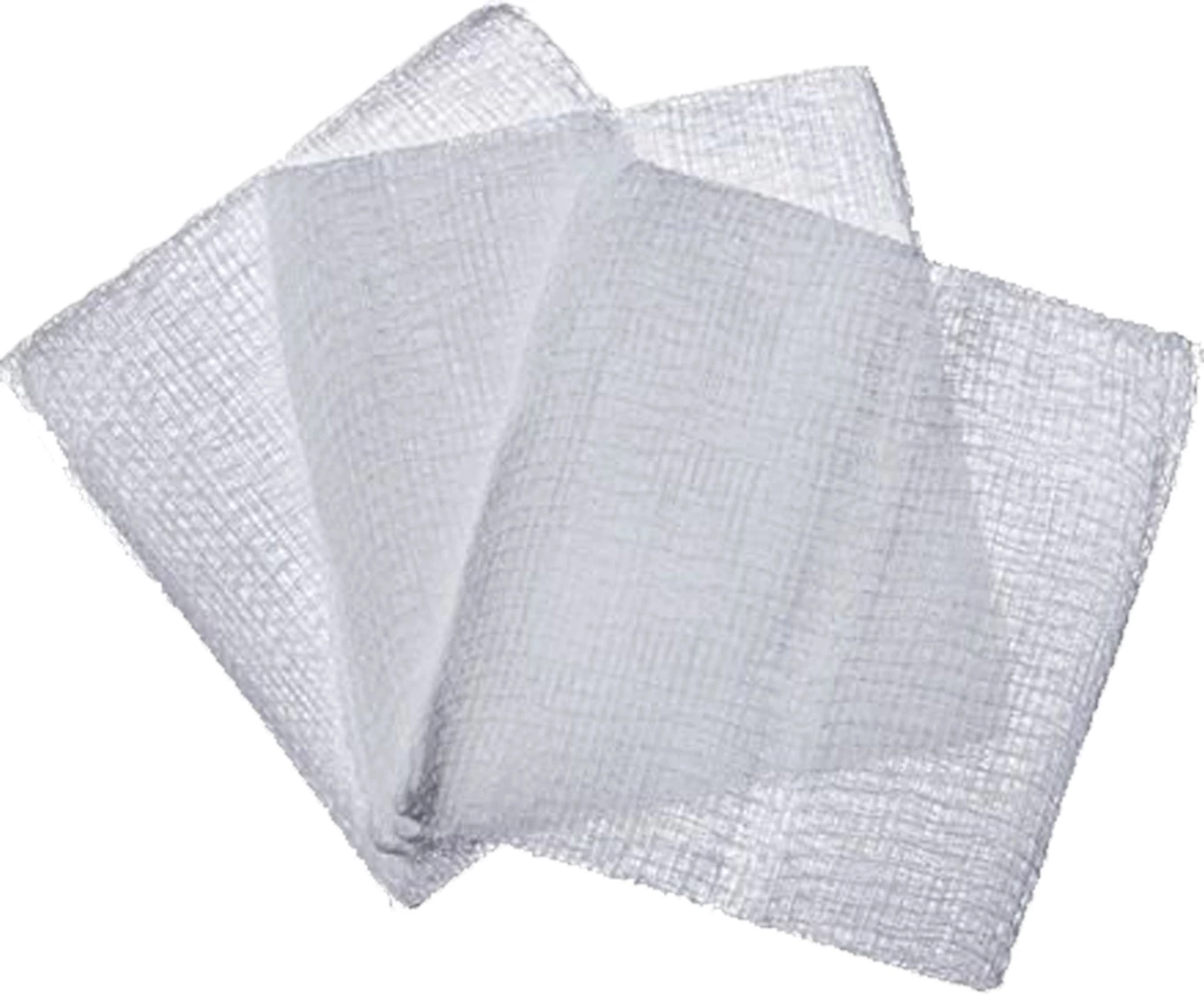
A Gauze Swab is a versatile and essential medical product, available in both sterile and non-sterile forms. This absorbent material is specifically designed to effectively cover and protect wounds, promote optimal healing, and prevent contamination. Gauze pads are manufactured by Gaiamed, ensuring high quality and reliability for various medical and first-aid applications.
What is a Gauze Swab?
Gauze Swab
A Gauze Swab is a versatile and essential medical product, available in both sterile and non-sterile forms. This absorbent material is specially designed to effectively cover and protect wounds, promote optimal healing, and prevent contamination. Gauze pads are made of either mesh (woven) or yarn (non-woven) and have multiple layers (ply) to accommodate various medical uses. Wound pads also have X-ray detectable and undetectable variants.
The multiple layers of mesh or yarn provide excellent absorbency and cushioning, ensuring optimal wound protection and moisture management.
- Mesh (Woven) Gauze: Typically made from cotton, woven gauze has an open-weave structure. Coarse mesh provides greater traction for debridement (removing dead tissue), while fine mesh is softer and often used for packing wounds. While absorbent, woven gauze may produce lint, which is undesirable in open wounds.
- Yarn (Non-woven) Gauze: Made from fibers that are pressed together rather than woven (often synthetic fibers like rayon or polyester, or blends), non-woven gauze generally offers superior absorbency and wicking capabilities compared to woven gauze. It is typically softer, stronger, and produces less lint, making it a preferred choice for sensitive skin and wounds where linting is a concern.
The availability of X-ray detectable and undetectable variants further enhances their utility:
Undetectable variants are used in non-surgical applications or where X-ray visibility is not a requirement.
X-ray detectable gauze swabs incorporate a radiopaque strip (often containing barium sulfate) that makes them visible under X-ray imaging. This feature is crucial in surgical procedures to ensure that no gauze is accidentally left inside a patient’s body, significantly enhancing patient safety.
Product Specifications Gauze Swab
Size
5cmx5cm , 7.5cmx7.5cm , 10cmx10cm , 10cmx20cm.
Mesh
Mesh in gauze pads refers to the density of the woven cotton, characterized by a greater number of threads or yarns per inch in the fabric. This construction results in a tighter and finer weave, which in turn provides excellent absorption capabilities and enhanced wound coverage. The high mesh count ensures optimal airflow to the wound site and presents a smooth surface for comfortable and gentle application.
This dense, fine weave helps to effectively manage wound exudate while providing a protective barrier against external contaminants.
12×8 , 15×11 , 19×9 , 19×15 , 20×12 , 24×20 , 26×18 , 28×16 , 28×24.
Yarn
Yarn in gauze swab refers to the specific yarn count used in their manufacturing, which directly determines the thickness and overall quality of the fabric.
- A higher yarn count, such as “40s yarn,” indicates a finer thread. This results in a finer and smoother gauze pad, making it particularly suitable for delicate applications where a soft touch and minimal bulk are desired.
- Conversely, a lower yarn count, such as “32s yarn,” signifies a slightly thicker thread. This produces a slightly thicker gauze pad, which in turn offers more absorbency and enhanced durability, making it ideal for situations requiring greater fluid management or robust protection.
The choice of yarn count allows for tailoring gauze pads to specific medical needs, balancing factors like softness, absorbency, and strength.
40s , 32s , 21s.
Layer (Ply)
Gauze swab are carefully designed with multiple layers of gauze, commonly referred to as “ply,” offering varying thicknesses to cater to different medical needs.
- Thicker ply swab consist of more layers, providing superior absorbency for managing higher volumes of wound exudate and offering enhanced padding for wounds that require intensive protection and cushioning.
- On the other hand, thinner ply pads are suitable for lighter applications, such as covering minor wounds, or for more delicate uses where less absorbency and bulk are required.
The number of layers directly impacts the gauze pad’s capacity for fluid management, cushioning, and overall protective qualities.
4ply , 8ply , 12ply , 16ply.
X-Ray Variants
X-Ray Detectable
X-Ray Detectable gauze swab are specifically designed with embedded X-ray detectable threads within the layers of gauze. These threads ensure visibility on X-ray images, allowing for easy identification during medical procedures and critically aiding in the detection of any retained gauze after surgery. The multiple layers of the gauze pad provide essential absorbency and protection, while the X-ray detectable feature significantly enhances patient safety by minimizing the risk of unintentionally leaving the gauze pad inside the body.
X-Ray Undetectable
X-Ray Undetectable gauze swab are designed without any X-ray detectable materials, making them suitable for non-surgical applications, particularly wound care scenarios where X-ray visibility is not essential. These pads are crafted with multiple layers of soft and absorbent gauze fabric, providing effective protection and promoting optimal wound healing without the added feature for radiological detection.
Edge Types
Folded Gauze Swab
Folded gauze pads are meticulously crafted with their edges folded inwards and secured through precise sewing or folding techniques. This deliberate folding process creates a reinforced edge that significantly enhances the durability and integrity of the gauze, effectively minimizing the risk of fraying or unraveling during use. These multi-layered gauze pads are specifically designed for sterile medical procedures, providing a reliable, hygienic, and lint-free solution for wound care and other critical medical applications.
Unfolded Gauze Swab
Unfolded gauze pads are designed without any folding along their edges, maintaining their original, unsewn state. This construction allows for versatility in various non-sterile applications, including general cleaning, providing padding, or serving as a protective barrier. With multiple layers of gauze, these unfolded pads offer effective absorbency and cushioning for different tasks. The absence of folded edges provides a smooth and uninterrupted surface, enabling easy handling and convenient application.
Sterility
Non-Sterile , Sterile.
Uses
How should a Gauze Pad be used?
Using a gauze pad for wound care involves several steps to appropriately assist in healing and prevent infection:
- Preserve a sterile environment by washing hands thoroughly or wearing sterile gloves. This helps minimize the risk of introducing harmful bacteria or contaminants to the wound site.
- Once the hands are clean, gently cleanse the wound area with a suitable antiseptic solution and pat it dry with sterile gauze or allow it to air dry.
- Next, carefully place the gauze pad over the wound, checking for complete coverage to absorb any exudate and deliver a protective barrier against external elements.
- Secure the gauze pad in place using medical tape or a bandage. Do not apply too much pressure, as that could impede circulation or cause discomfort.
- Throughout the healing process, regularly monitor the wound for any signs of infection, such as increased pain, redness, swelling, or unusual discharge.
What precautions should be considered when using a Gauze Swab?
When utilizing a gauze pad for wound care, you must make sure to exercise caution and adhere to specific precautions to encourage the best healing and minimize the risk of complications:
- Check that the gauze pad is sterile or properly cleaned before application to prevent introducing contaminants that could lead to infection.
- Change the gauze pad regularly as directed by the healthcare provider to keep a clean and conducive environment for healing.
- Monitor the wound site closely for any signs of infection, such as increased redness, swelling, warmth, or pus-like discharge, and seek medical attention promptly if any concerning symptoms arise.
- Avoid applying excessive pressure when securing the gauze pad to prevent impeding circulation or causing discomfort to the patient.
- Follow the healthcare provider’s recommendations regarding wound care, including cleaning methods, dressing changes, and any subsequent treatments, so as to secure the best possible outcome for the patient’s recovery.
What are the advantages of using Gauze Swab in medical environments?
Gauze pads offer several advantages that make them indispensable in medical environments:
- Their sterile or non-sterile options present flexibility for different clinical scenarios, allowing healthcare professionals to select the appropriate type based on the patient’s needs and the level of wound contamination.
- The absorbent nature of gauze pads aids in the removal of exudate and debris from wounds, promoting a clean and hygienic environment conducive to healing.
- Their versatility allows for easy customization to accommodate different wound sizes and shapes, guaranteeing best coverage and protection.
- Gauze pads are cost-effective wound care solutions, making them accessible for use in a variety of healthcare settings, from hospitals and clinics to home care settings.
The use of gauze pads contributes to efficient wound management, better patient outcomes, and elevated infection control practices within medical environments.
How do Gauze Swab work in wound care?
Gauze pads function effectively in wound care by performing several key actions:
- Absorbing Excess Moisture: Their absorbent material (whether mesh or yarn) efficiently wicks away exudate (wound fluid) and other excess moisture from the wound site. This prevents maceration (softening and breakdown of the skin due to prolonged exposure to moisture) and helps maintain a balanced, slightly moist environment that is conducive to healing.
- Promoting Airflow: The woven or non-woven structure of gauze allows for air circulation to the wound. This breathability is vital as it helps prevent the growth of anaerobic bacteria and supports cellular respiration, which is necessary for tissue repair.
- Providing a Protective Barrier: When applied, gauze pads act as a physical barrier, shielding the wound from external contaminants, bacteria, and physical trauma, thereby reducing the risk of infection and further injury.
- Assisting in Debridement and Debris Removal: During dressing changes, especially with certain types of gauze (like wet-to-dry dressings, though less common now), the gauze can adhere to loose debris, slough, or necrotic tissue, aiding in their removal when the dressing is changed.
By performing these functions, gauze pads help create an optimal environment for the wound to heal naturally and effectively.

No responses yet